
Rest and Recovery
Treatment and sleep can be an uneasy pair. Nights that used to come easily may now feel unpredictable, and that shift is worth understanding.
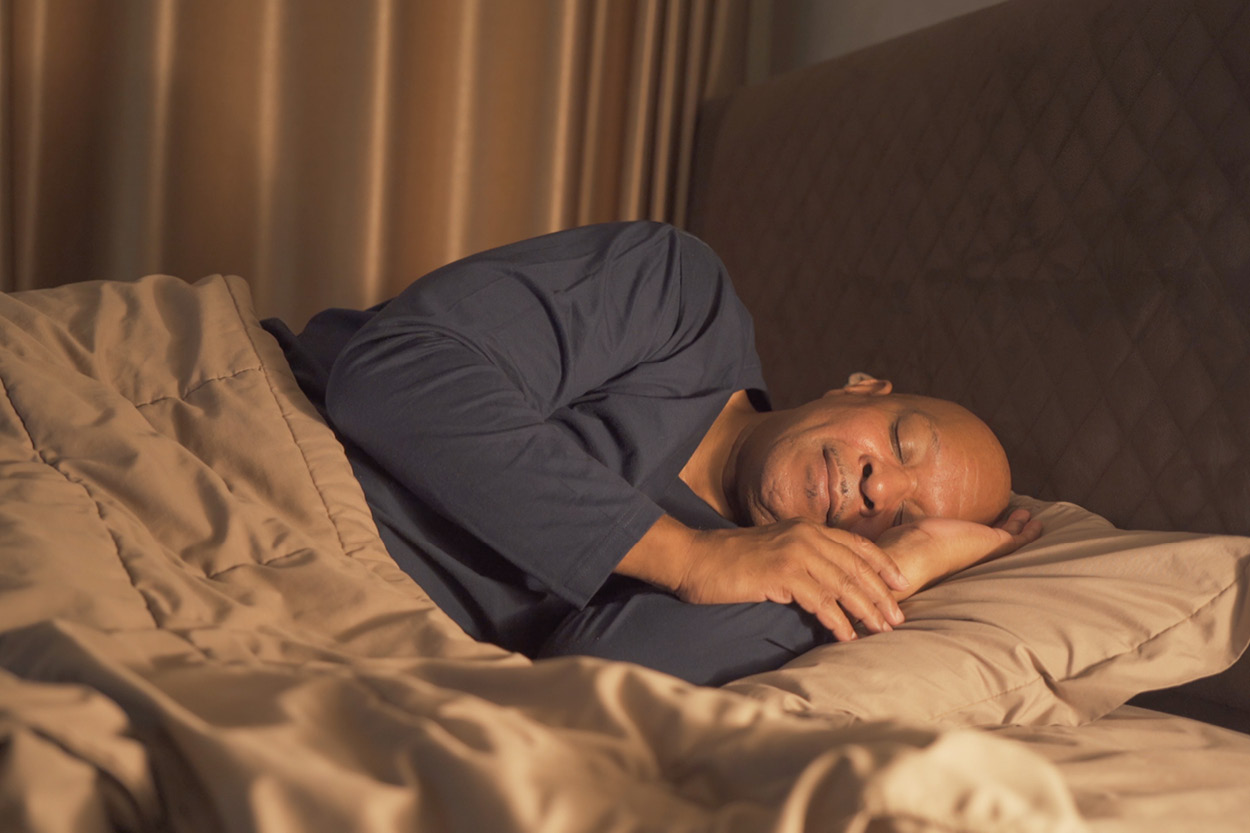
Treatment and sleep can be an uneasy pair. Nights that used to come easily may now feel unpredictable, and that shift is worth understanding. Medications and the stress of a diagnosis can disrupt normal sleep patterns. Steroids can leave you wired at night, and pain or nausea medications can leave you sluggish during the day.
If you are going through treatment, naps can be very beneficial. We recommend napping in the early afternoon and keeping them between twenty and thirty minutes. This can restore some energy without stealing from sleep later on. Longer naps lead to deeper sleep, and waking from that can leave you groggy, making it harder to fall asleep at night. If naps aren’t ideal, there are other ways to recover from treatment. This can look like sitting quietly, listening to music, or resting without any screens or noise.
A calm routine before bed signals to your body that rest is coming. We recommend dimming the lights an hour before bed and stepping away from phones and screens when you can. This can help your eyes rest and prevent light from delaying your body's natural signal to wind down. Instead, choose something quiet like a book, soft music, or a few minutes of stillness with someone you love.
Small adjustments can make a real difference too. An extra pillow between your knees or behind your back can ease discomfort with positioning. A cool room, a favorite blanket, or a familiar scent can turn your bed into a place your body recognizes as restful. Through some small trials and adjustments, you can find what works best for you and your body. At OCSRI, we know comfort is not a luxury in and out of treatment. It is part of healing.
As evening approaches, you may find yourself feeling anxious about upcoming exams and office visits. We recommend writing down tomorrow's worries in a journal. Light stretching or slow breathing exercises can help too. These small practices can loosen the grip of those thoughts enough to help you fall asleep.
If sleep troubles stick around night after night, tell your doctor or nurse. Ongoing sleep problems are worth a real conversation, not something to push through on your own. Your OCSRI care team is here to listen and help you find real solutions.
Request an Appointment
Schedule your visit with our care team
Choose the option below. Existing patients can access the secure portal, and new patients can call our team to get started.
Existing Patient
Sign in to your patient portal to request, confirm, or manage an appointment.
Open Patient PortalNew Patient
Call our scheduling team to book your first appointment and receive next-step guidance.
Call: (918) 505-3200Explore Our Care
Discover services, specialists, and research
Learn more about the comprehensive cancer care available at OCSRI — from expert providers and convenient locations to advanced treatment services and ongoing clinical research.